
Iron Deficiency: Symptoms, Causes and What to Do
An iron deficiency often develops unnoticed, leaving you feeling tired and lacking energy for a long time without immediately being able to identify the cause. The subtle nature of the symptoms can make it difficult to recognize an iron deficiency early. This may lead to unnecessary frustration and a search for causes that go beyond what you eat or supplement each day.
It is understandable to feel overwhelmed by the wide range of advice and possible solutions, especially given the many, sometimes exaggerated, health claims found online. You want to know how to address the issue without getting lost in complicated theories or unrealistic routines. So how can you create an effective approach that fits into your daily life?
Table of Contents

Recognize the first subtle signs of an iron deficiency.
What are the first signs of an iron deficiency?
An iron deficiency often develops gradually, which means the first signs can easily go unnoticed. For example, you may feel more tired than usual even after a good night's sleep and notice that you have less energy for everyday activities. Other early signs may include paleness of the skin and mucous membranes, particularly on the inside of the eyelids. You may also experience shortness of breath during light physical activity, such as climbing stairs, or feel dizzy.
These symptoms can be subtle and are often attributed to a busy lifestyle, allowing an iron deficiency to remain unnoticed.
The gradual development of symptoms
Symptoms associated with an iron deficiency generally develop slowly, making it difficult to recognize them immediately or connect them to a specific problem. You may, for example, feel less fit for several months without knowing exactly why.
Because these symptoms develop gradually, it is important to listen to your body and take changes in your energy levels or overall well-being seriously. Recognizing an iron deficiency early can help you take the appropriate steps sooner and prevent further symptoms.
How does your body absorb iron?
Iron absorption is a carefully regulated process that mainly takes place in the small intestine. When you eat iron-rich foods, the iron is released and absorbed in the intestine.
There are two main types of iron: heme iron, which is found in animal products such as meat, and non-heme iron, which is found in both animal and plant-based sources. Heme iron is generally absorbed more efficiently than non-heme iron.
To improve the absorption of non-heme iron, you can combine it with vitamin C, for example by drinking a glass of orange juice with your meal or eating bell peppers. An iron deficiency can develop if this process does not function optimally or if you do not consume enough iron through your diet.
The selectivity of iron absorption
Your body regulates iron absorption very selectively, meaning that it carefully determines how much iron it needs and absorbs and how much it eliminates. This selectivity is crucial: when your iron stores are low, your body will increase absorption, while absorption will decrease when your iron stores are sufficient.
Hormones also play an important role in this process, particularly hepcidin, which helps regulate iron balance. This intelligent regulation allows your body to make optimal use of the iron available in your diet. However, a persistent iron deficiency may indicate an imbalance in this process or chronically insufficient iron intake.
Always consult a doctor if you suspect an iron deficiency.
Why is a consistent intake routine important?
A consistent intake routine is important when addressing an iron deficiency. Your body needs a steady supply of iron to gradually replenish its stores and support processes that depend on iron.
When supplements are taken irregularly, iron levels in the body may fluctuate, which can reduce the effectiveness of supplementation. A consistent routine helps maintain a stable intake so that your body can make optimal use of the iron you consume. This can help gradually improve your iron status and reduce symptoms associated with iron deficiency, such as fatigue or paleness.
Patience when replenishing iron stores
Replenishing your iron stores requires patience and consistency. The process often takes longer than you might expect because your body needs time to absorb the iron and use it to produce new red blood cells.
Even if you begin to feel better after a few weeks, it is important to follow the recommended duration of supplementation to help prevent the iron deficiency from returning quickly.
A doctor or qualified healthcare professional can monitor your iron status through blood tests, as explained by MedlinePlus, and advise you on how long supplementation may be necessary to fully replenish and maintain your iron stores. Consistency is key to sustainable recovery.
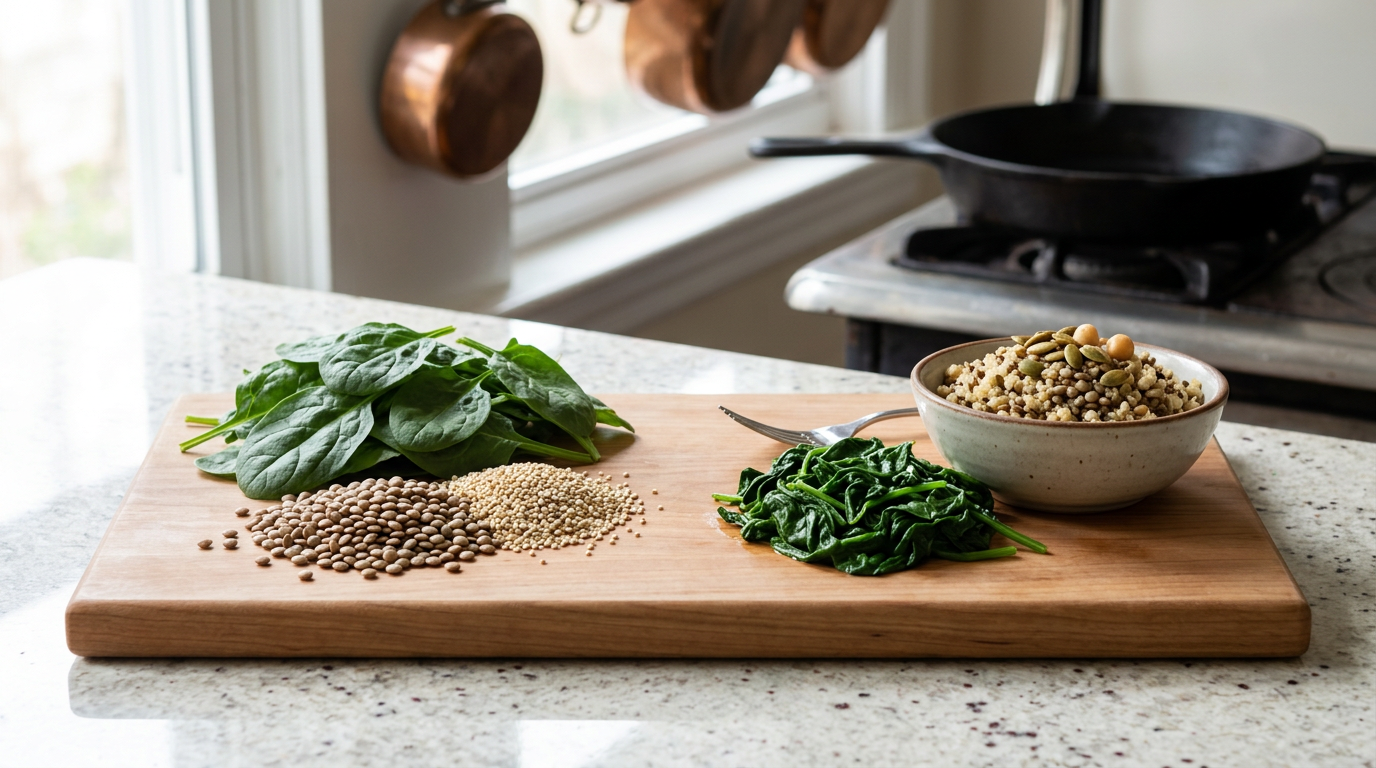
The right supplements can help effectively address an iron deficiency.
What ingredients should a good supplement contain?
When choosing a supplement, particularly for an iron deficiency, it is important to look at the ingredients. A good supplement usually contains iron in a form that the body can absorb easily, such as ferrous fumarate, ferrous gluconate or iron bisglycinate. This supports optimal absorption.
Vitamin C is also often important because it helps with iron absorption. Without sufficient vitamin C, the body may be less able to utilize iron effectively.
Other nutrients that support blood formation, such as folic acid and vitamin B12, may also be included. These nutrients work together to support the production of red blood cells.
It is important that the dosage of all these components is carefully tailored to your needs so that an iron deficiency can be addressed effectively.
Linking supplements to an existing habit
To make it easier to take these important nutrients consistently and establish a routine, it can be helpful to connect supplementation to something you already do every day. For example, you could take your supplements every morning with breakfast or in the evening when brushing your teeth.
VITBLISS understands that simplicity and routine can make this easier. That is why we offer supplement cards that are carefully formulated and provide a clear daily dosage focused on a specific health goal.
This helps you get your daily dose of iron and other nutrients without unnecessary hassle. Consistent intake is key to effectively addressing an iron deficiency and maintaining a healthy iron status.
It is always advisable to consult your doctor or another qualified healthcare professional before starting supplements or making changes to your supplement use, particularly if you have health conditions or take medication.
How do you combine iron with your daily diet?
You can improve your dietary iron intake by consciously choosing iron-rich foods such as red meat, fish, legumes, whole grains and dark green leafy vegetables. Try to include these foods regularly in your diet.
It is also important to understand that your body absorbs iron from animal products, known as heme iron, more easily than non-heme iron from plant-based sources.
A balanced diet provides the foundation for preventing or reducing an iron deficiency without making your daily routine unnecessarily complicated.
The effect of vitamin C on iron absorption
Vitamin C supports the absorption of non-heme iron and is therefore worth paying attention to. It helps your body absorb non-heme iron from plant-based foods more effectively.
This means that combining plant-based iron-rich foods with a source of vitamin C can be useful. For example, you could have a glass of orange juice with a breakfast containing whole-grain bread or add bell peppers to a meal containing legumes.
This simple adjustment to your eating habits can make a meaningful difference in how effectively your body uses the iron from your meals, contributing to an effective approach to iron deficiency.
How do you maintain your iron stores in the long term?
To maintain your iron stores over the long term, combine a balanced diet with supplements when necessary. The Netherlands Nutrition Centre (Voedingscentrum) states that a varied diet containing plenty of iron-rich foods provides the foundation.
Examples include meat, fish, whole grains, legumes and green leafy vegetables. By consciously choosing foods that contain iron, you create a strong nutritional foundation.
It can also be useful to combine iron-rich foods with vitamin C, such as having a glass of orange juice with your meal. This improves iron absorption and can help naturally replenish and maintain your iron stores.
Choosing supplements for an iron deficiency
Sometimes diet alone is not enough to prevent or correct an iron deficiency. This may be due, for example, to an increased requirement for iron or reduced absorption.
In such cases, it is important to choose a supplement that suits your needs. That is why we offer supplement cards formulated by pharmacists, providing a clear daily dosage of iron tailored to specific health goals.
These cards are designed to fit easily into your daily routine, allowing you to support the maintenance of healthy iron stores with one simple step. More information about this approach is available at vitbliss.com.
Always consult a doctor or qualified medical professional before starting new supplements or changing your current routine, particularly if you have health conditions or take medication.
What is the best way to address an iron deficiency?
Addressing an iron deficiency begins with understanding its cause, followed by a targeted strategy. This often involves a combination of dietary changes and, when necessary, supplements.
Iron in food occurs in two forms: heme iron, which is found in meat and other animal products, and non-heme iron, which is found in plant-based foods such as legumes and leafy vegetables.
By including both types of iron-rich foods in your diet, you can increase your iron intake. It is always advisable to consult a doctor for an appropriate diagnosis and treatment plan.
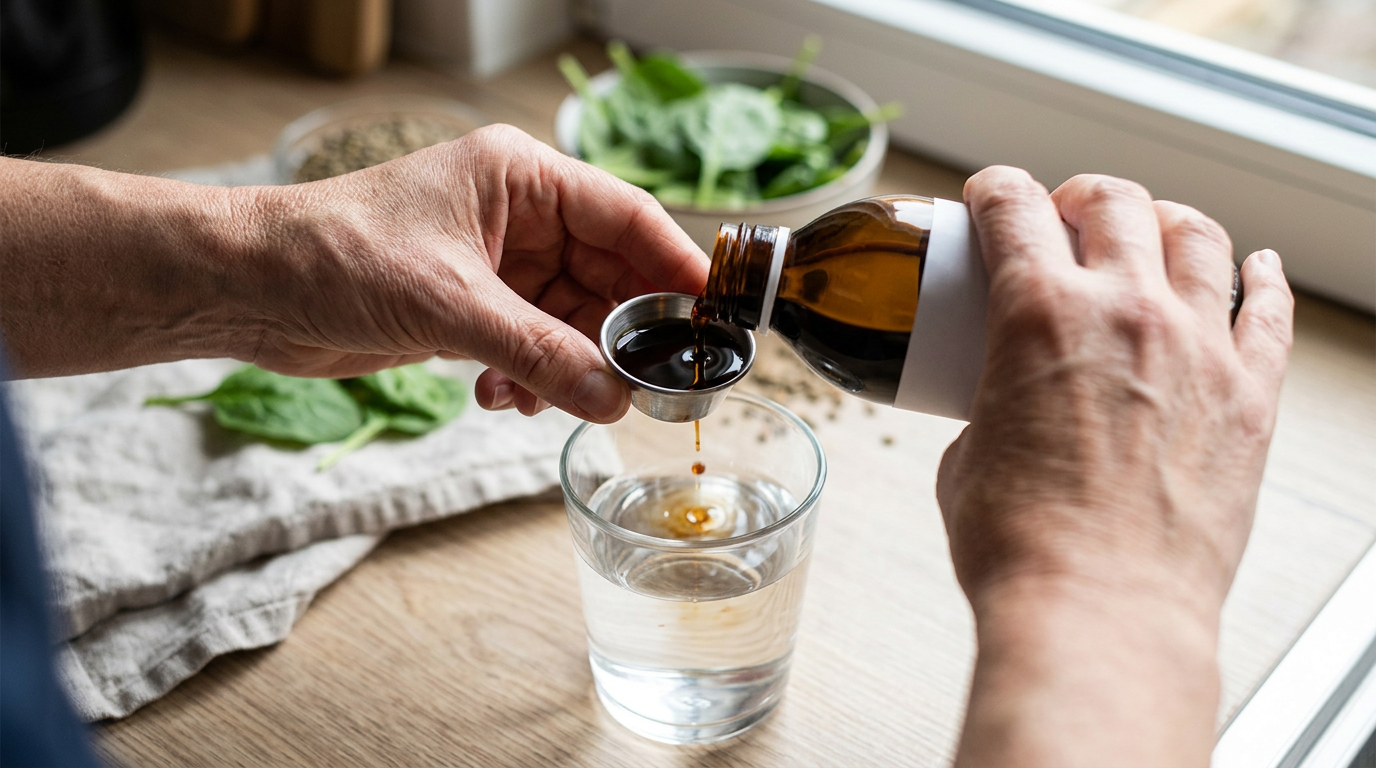
A sustainable routine can help you effectively address an iron deficiency.
Simplicity and routine when using supplements
An effective approach to iron deficiency involves more than simply choosing the right supplements; it is also about creating a simple and sustainable routine.
Many people are uncertain about which product to choose or how to consistently incorporate supplements into their daily lives. VITBLISS understands this challenge and focuses on providing simplicity and convenience.
Our supplement cards, formulated by pharmacists, provide a clear daily dosage focused on specific health goals.
This makes it easier to address an iron deficiency in a structured way and maintain the necessary consistency. You can find more information about these practical solutions at VITBLISS.
Before starting or changing your supplement routine, it is important to seek advice from a medical professional, particularly if you have health conditions or take medication.
How do you choose a supplement without feeling overwhelmed?
To choose a suitable supplement without feeling overwhelmed, it is helpful to first determine whether you actually have an iron deficiency. A blood test performed by a doctor can provide clarity.
If an iron deficiency has been diagnosed, look for supplements containing iron in a form that is readily absorbed by the body. Also consider whether the product contains vitamin C, as this helps with iron absorption.
You do not necessarily need to choose a complex combination of ingredients. A product with a clear dosage suited to your individual situation can often make the choice easier.
Gradual improvement, not a quick fix
Once you have chosen a supplement, it is important to incorporate it into your daily routine. An iron deficiency cannot be corrected overnight; it requires patience and consistent use over a longer period.
Expect gradual improvements in your energy levels and other symptoms. You do not need to be perfect; forgetting a single dose occasionally does not mean your entire routine has failed.
The long-term approach is what matters. VITBLISS supports you with supplement cards designed to provide a clear daily dosage tailored to your health goal.
It is always advisable to consult a doctor or qualified healthcare professional before starting a new supplement or adjusting your current intake, particularly if you have health conditions or take medication.
When will you notice results from a new routine?
When starting a new routine to address an iron deficiency, it is important to have realistic expectations about when you may begin to notice improvements.
The timeline for seeing results can vary. In general, it may take several weeks to months for the body's iron stores to be replenished and for symptoms such as fatigue to noticeably decrease.
Patience and consistency are therefore fundamental. After all, an iron deficiency does not develop overnight, and recovery also takes time.
Maintenance after the replenishment phase
After the replenishment phase, during which you actively work to restore your iron levels, it is important to continue focusing on maintenance.
This means that you should not abruptly stop the routine that has led to improvement. This may involve continuing to eat iron-rich foods and, if advised by a doctor, continuing with a lower dose of an iron supplement.
The goal is to prevent the iron deficiency from returning and to keep your restored iron stores stable.
An ongoing, possibly adjusted, daily routine can help with this. VITBLISS supports you with convenient supplement cards that make it easier to maintain this consistency, contributing to long-term well-being.
Always seek advice from your doctor or another qualified healthcare professional before starting a new supplement regimen or making changes to your current intake, particularly if you have existing health conditions or take medication.
How should you store supplements to maintain their effectiveness?
Proper storage is important for maintaining the effectiveness of your supplements. Moisture, heat and direct sunlight can affect the stability of active ingredients and potentially reduce their effectiveness.
This also applies to iron supplements taken to address an iron deficiency. Reduced effectiveness could mean that replenishing your iron stores takes longer, potentially affecting your consistency and motivation.
By storing your supplements in an appropriate place, you help maintain their quality and ensure that they provide the support you expect. It is a small effort that can make a meaningful difference over the long term, particularly when addressing an iron deficiency.
Optimal storage conditions
For optimal storage, supplements should generally be kept in a cool, dry and dark place. A kitchen cupboard or drawer away from the stove or a sunny window is often suitable.
The bathroom is less suitable because of high humidity and temperature fluctuations, which may shorten the shelf life of capsules or tablets.
Always check the label of your specific supplement for additional storage instructions, as certain products, such as liquid supplements, may need to be refrigerated after opening.
Following these simple guidelines helps ensure that supplements, including those used for an iron deficiency, maintain their quality and potency.
Conclusion: Iron Deficiency
An iron deficiency can significantly affect your energy levels, but because it develops gradually, it can often be difficult to recognize. You have seen how your body selectively absorbs iron and why a consistent approach is so important for recovery.
Combining iron-rich foods with vitamin C and choosing effective supplements containing readily absorbable forms of iron are practical steps you can take.
Ultimately, it is about creating a routine that works for you. Make things easier for yourself by considering how you can put these insights into practice today.
VITBLISS supports you with clear and convenient supplement cards that fit into your daily life, helping you take a structured approach to managing an iron deficiency. Visit vitbliss.com for more information.
At VITBLISS.com, we do not provide (medical) advice. Always consult your doctor or pharmacist before using supplements.