
Sports Nutrition: Energy and Recovery
Since 1 July 2026, the Netherlands Nutrition Centre (Voedingscentrum) has emphasized that a balanced diet is essential for everyone, including people who exercise regularly, with a focus on the Wheel of Five (Schijf van Vijf). It emphasizes a practical approach to nutrition for exercise, without unrealistic health claims. You do not need to follow complicated schedules to support your body, but the right nutrition for exercise can certainly help you optimize your performance. Many adults over the age of 35 find it difficult to combine nutrition and exercise. A clear nutritional strategy can make a difference. Choose foods that fit your daily routine so that you have enough energy and support your recovery.
Table of Contents
-
Why is nutrition for exercise different after the age of 35?
-
Which supplements are useful without making things complicated?

A balanced diet forms the foundation of good nutrition for exercise.
What is the foundation of good nutrition for exercise?
Good nutrition for exercise is about providing your body with the right fuel and building blocks before, during and after physical activity. You do not need to follow a complicated diet; a balanced eating pattern that matches your activity level is often sufficient. The foundation can be found in the Wheel of Five, which provides guidance for healthy and sustainable choices. By focusing on this, you create a solid foundation for your energy levels and recovery, which is crucial for anyone who exercises regularly. The Netherlands Nutrition Centre, for example, offers the 'Mijn Eetmeter' app, which provides insight into your nutrient and calorie intake. This can help you make informed choices about your nutrition for exercise.
The function of macronutrients during training
Macronutrients play a role in energy and recovery. Carbohydrates mainly provide readily available energy during intensive exercise. Protein supports muscle recovery and growth after training. For longer, less intensive activities, fats provide slower-release energy and perform other important functions. A good balance of these macronutrients in your daily nutrition for exercise supports your body effectively without requiring you to immediately turn to complex dietary schedules. The Netherlands Nutrition Centre's Slim Koken app, for example, offers a wide range of recipes that can help you with this.
How do you plan meals around your busy schedule?
Nutrition for exercise requires a thoughtful approach, particularly when you have a busy schedule. Perfection is not necessary. Consistency and simplicity are more helpful. Start by identifying the busiest moments in your schedule. This allows you to determine when you need additional energy or recovery nutrition. Consider quick, nutritious options that you can easily take with you or prepare in advance so that you are not caught unprepared. Good planning helps prevent you from turning to less healthy alternatives because of a lack of time.
Effective strategies for meal planning
Try a few practical meal-planning strategies. One useful method is meal prepping: prepare meals for several days at one point during the week. This saves time and ensures that you have a healthy option readily available. Focus on a good balance of carbohydrates for energy, protein for muscle recovery and healthy fats. The Netherlands Nutrition Centre, for example, emphasizes the importance of the Wheel of Five for a balanced diet (voedingscentrum.nl). It can also help to schedule regular mealtimes, including when you are on the go. This allows you to build a routine that is easier to maintain, which is important for your nutrition for exercise.
Which ingredients really provide long-lasting energy?
Long-lasting energy is particularly helpful when you are active or exercising. The key is a consistent supply of nutrients that your body can use efficiently. The foundation is a balanced diet rich in complex carbohydrates, healthy fats and protein. These macronutrients provide energy gradually, helping you avoid peaks and dips in your energy levels. A consistent eating pattern works better than short-term, quick solutions. Stable blood sugar levels help keep your energy levels steady throughout the day.
Sources of long-lasting energy
For long-lasting energy, it is important to consider the sources of your nutrition. Complex carbohydrates, such as oatmeal or whole-grain bread, are broken down slowly. Legumes also provide sustained fuel. This helps prevent sudden drops in energy. Healthy fats, such as those found in avocado, nuts, seeds and oily fish, are also important sources of energy and contribute to a feeling of fullness. Protein from sources such as lean meat, fish, eggs and dairy products not only supports muscle recovery and growth but also helps maintain stable blood sugar levels, contributing to sustained energy as part of your nutrition for exercise. Water is also essential for all metabolic processes that release energy.
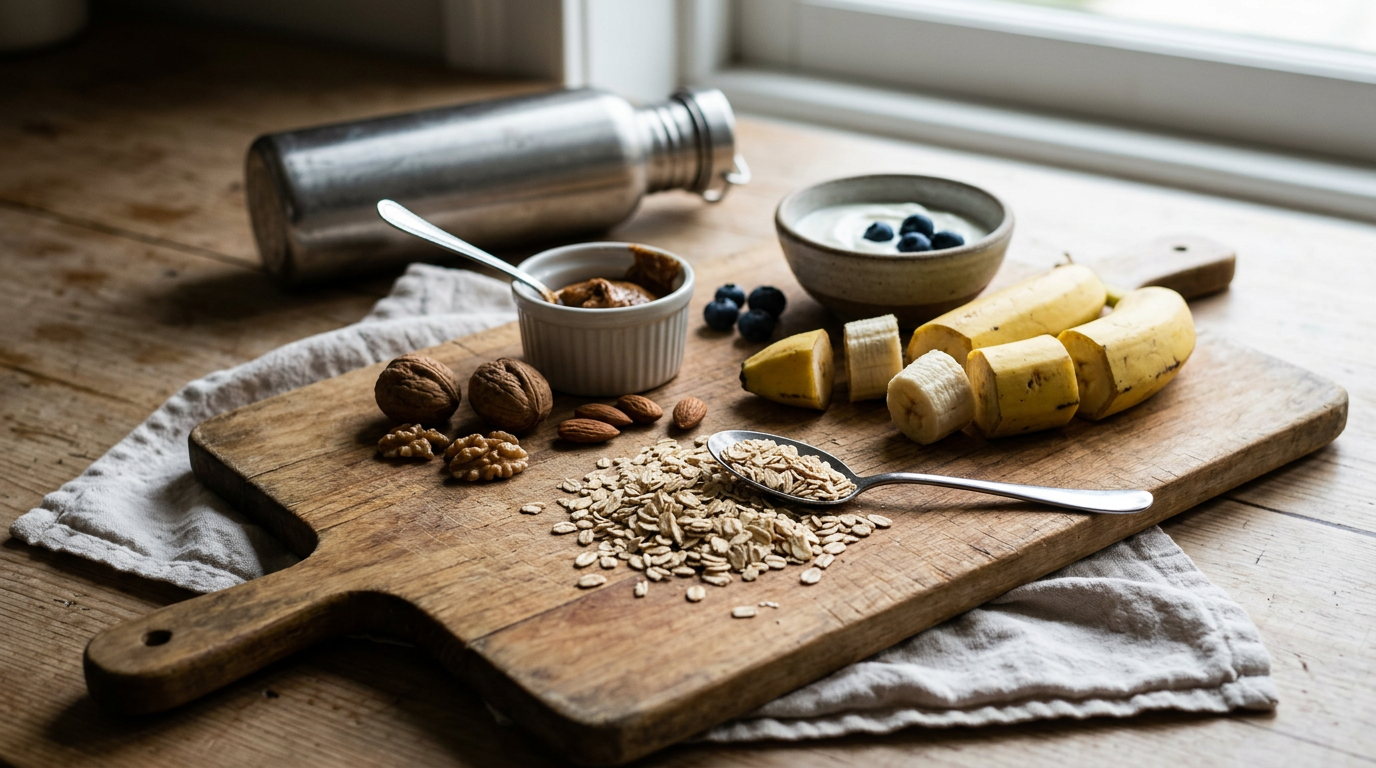
The right balance in nutrition for exercise supports optimal muscle recovery.
How do you easily combine protein and carbohydrates?
A simple approach to combining protein and carbohydrates as part of your nutrition for exercise is to focus on consuming both macronutrients around your workouts. Protein supports muscle recovery, while carbohydrates provide energy. The Netherlands Nutrition Centre recommends a balanced eating pattern. By choosing complete meals or snacks that contain both a source of protein and a source of carbohydrates, you can effectively support your body both before and after exercise. Choose simple combinations that fit your daily routine; consistency matters more than perfection.
Practical meal combinations
For practical meal combinations, consider a whole-grain sandwich with chicken breast or cheese, which provides both carbohydrates and protein. A bowl of quark or yoghurt with some fruit and a handful of nuts is also an excellent option. After a workout, a recovery shake containing protein powder and a banana can help support muscle recovery and replenish your energy stores. It does not need to be complicated; the important thing is to make conscious choices that fit your daily schedule. By using these simple combinations, you effectively support your body during exercise and help maintain stable energy levels, contributing to your overall well-being.
What are the best snacks to take with you to class?
To properly support your body even when you are on the go, it is useful to choose snacks that contain both quickly digestible carbohydrates and a portion of protein. This combination provides readily available energy to support your concentration and performance during a class or training session. At the same time, the protein supports muscle recovery. Consider products that are easy to carry and do not require refrigeration. This helps ensure that you are not unexpectedly left without suitable food while you are on the go.
Easy and nutritious snacks to take with you
Practical and nutritious snacks to take with you to class include a piece of fruit, such as a banana, with a handful of nuts or a whole-grain cracker with peanut butter. A small portion of low-fat dairy with some fruit can also be a good option if you can keep it refrigerated. These types of snacks are convenient and help maintain stable energy levels. This supports both your focus and physical performance. The Netherlands Nutrition Centre provides general guidelines for healthy food choices that can also be applied to snacks.
How much water should you drink for proper recovery?
Adequate hydration is a crucial part of nutrition for exercise, particularly when it comes to recovery. After physical activity, you lose fluid through sweat, which needs to be replenished to support normal body functions and the removal of waste products. A general guideline for adults is to drink a moderate amount of water each day, but during and after exercise this requirement can increase considerably. Pay attention to thirst and drink regularly throughout the day. Hydration supports recovery and helps maintain your energy levels.
Optimal fluid intake around training
Start drinking before your workout. During longer or more demanding sessions, take small sips of water regularly. After exercise, it is important to replenish the fluid you have lost. A useful general principle is to replace fluids lost during exercise; some guidelines provide recommendations based on changes in body weight, but consult a reliable source or your healthcare professional for specific amounts. Consistency in your drinking habits is just as important as the nutrition you choose for physical activity.
Why is nutrition for exercise different after the age of 35?
Exercise and nutrition go hand in hand, but after the age of 35 you may notice that your metabolism gradually slows and your body responds differently to training. Recovery may have been faster when you were younger, and you may not have needed to pay as much attention to your nutrition. As you get older, this becomes increasingly important. Your muscles gradually lose mass and strength, a process known as sarcopenia. This requires more targeted attention to certain nutrients. The focus shifts from purely providing energy towards recovery and maintaining muscle mass, which requires a slightly different approach to your diet.
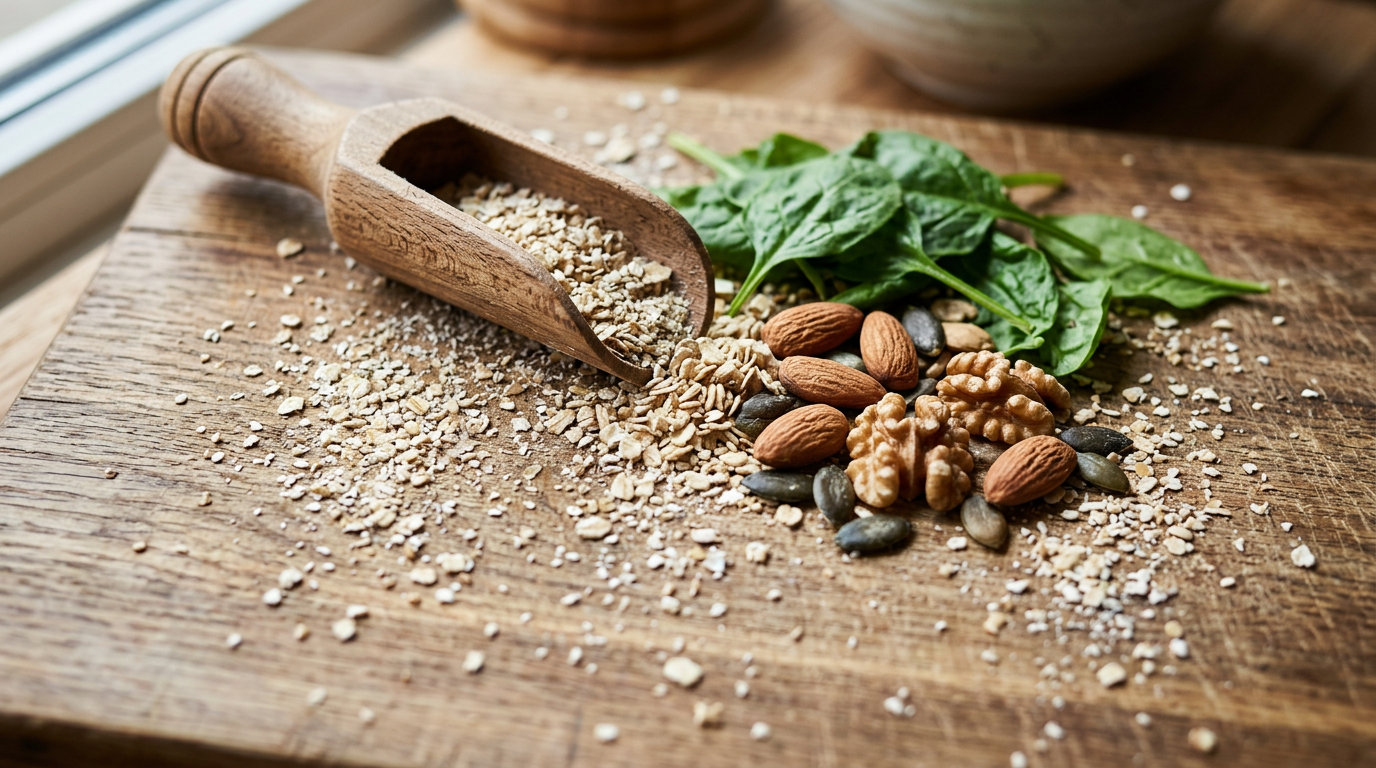
The right nutrition for exercise supports muscle recovery after the age of 35.
Changing nutritional needs as you get older
As you get older, your nutritional needs change. Your body requires more protein for muscle growth and recovery after exercise, while the efficiency with which you absorb these nutrients may decrease. The need for certain micronutrients, such as calcium and vitamin D for strong bones, also becomes increasingly important. In addition, insulin sensitivity may decrease, affecting the way your body processes carbohydrates. The Netherlands Nutrition Centre emphasizes the importance of a balanced diet rich in vegetables, fruit and whole grains, which also forms the foundation for good nutritional support when exercising later in life.
Which supplements are useful without making things complicated?
Start with a balanced diet: plenty of vegetables, protein and fibre. Supplements are an addition, not a replacement. For most people who exercise regularly, the main priorities are adequate hydration and a varied diet rich in vegetables, fruit, whole grains and lean protein sources. Once this foundation is in place, you can consider specific needs that may be supported with supplements, while always focusing on simplicity and effectiveness.
Potentially useful supplements (35+)
For active adults over the age of 35, certain supplements may be useful for optimizing nutrition for exercise and supporting recovery. These may include vitamin D, particularly during the winter months when sunlight exposure may be insufficient, and magnesium, which contributes to normal muscle function and the reduction of tiredness and fatigue. Omega-3 fatty acids may also play a role because they are beneficial for the heart and blood vessels. Choose supplements that suit your individual circumstances and check quality marks or ingredient lists. Vitamin B12 may also be a valuable addition for vegetarians and vegans to support normal energy metabolism.
How can you easily maintain your new eating routine?
Successfully maintaining a new eating routine for exercise mainly requires realism and flexibility. Make one small change at a time, such as adding one extra protein-rich snack. Start with small, achievable adjustments that you can easily integrate into your daily schedule. Consider preparing a healthy snack to take with you or planning your meals around your workouts. By gradually building your routine, you avoid becoming overwhelmed and increase the likelihood that your new habits will become a permanent part of your life. Deviations will happen.
Consistency through meal prepping and planning
To establish your new eating habits, you can use practical strategies that make conscious choices easier. One effective method is 'meal prepping', where you prepare meals at a set time each week. This saves time and reduces the temptation to choose less healthy options when you are hungry. Keep healthy snacks within easy reach. Try to keep less healthy options at home less frequently. Integrating your sports nutrition into your existing daily routine, for example by choosing a regular time for your pre- or post-workout meal, can also help considerably. This makes nutrition for exercise feel less like an additional burden and more like a natural part of your day.
How can you keep fresh sports meals for longer?
Storing your fresh meals properly is important for maintaining their quality and nutritional value. This helps you support your body effectively during exercise. By refrigerating or freezing meals correctly, you not only prevent them from spoiling but also help ensure that important nutrients remain available when you need them. This makes it easier to eat consistently, even on busy days, and makes organizing meals around physical activity much simpler and more effective. Good storage practices can therefore contribute to both how you feel and your performance.
Safely storing meals (3–4 days)
To store your meals safely for longer, it is important to cool them quickly after preparation and place them in airtight containers. Most prepared dishes can be stored in the refrigerator; consult the Netherlands Nutrition Centre's Bewaarwijzer for specific storage recommendations. Make sure your refrigerator remains consistently cool and at a suitable temperature for perishable foods. Freezing can significantly extend shelf life; consult the Netherlands Nutrition Centre's Bewaarwijzer for recommendations for individual ingredients. Always label containers with their contents and the date to stay organized and reduce food waste. This makes it easier to maintain a varied and nutritious diet alongside exercise.
Conclusion: Nutrition for Exercise
A thoughtful approach to nutrition for exercise begins with a balanced diet in which carbohydrates, proteins and fats form the foundation for energy and recovery. By planning and preparing your meals, you can support sustained energy levels and avoid unnecessary stress. Combining protein and carbohydrates around your workouts is important for optimal muscle recovery and stable energy levels. Practical snacks can also be extremely useful. Remember that it is not about perfection but about consistency and making conscious choices that fit your everyday life. If you find it difficult to consistently obtain the nutrients you need, VITBLISS can help you create a clear and manageable routine.
At VITBLISS.com, we do not provide (medical) advice. Always consult your doctor or pharmacist before using supplements.