
Build Fitness Safely: Practical Tips
Many adults over the age of 35 recognize the desire to become fitter. Do you also want to build your fitness but struggle with how to do so safely and sustainably without overloading yourself? Time is often limited and injuries can feel like a real concern, which may reduce your motivation before you have even properly started. You want to get started in a way that fits your busy life and does not result in days of muscle soreness. Avoid exaggerated health claims and complicated schedules. Find a balance between exercise and recovery, and make practical choices in your preparation and execution. How can you ensure that every step you take contributes to a stronger body without pushing yourself too far?
Table of Contents
-
How do you keep your sportswear fresh and in good condition?
-
How do you recognize quality materials in fitness equipment?
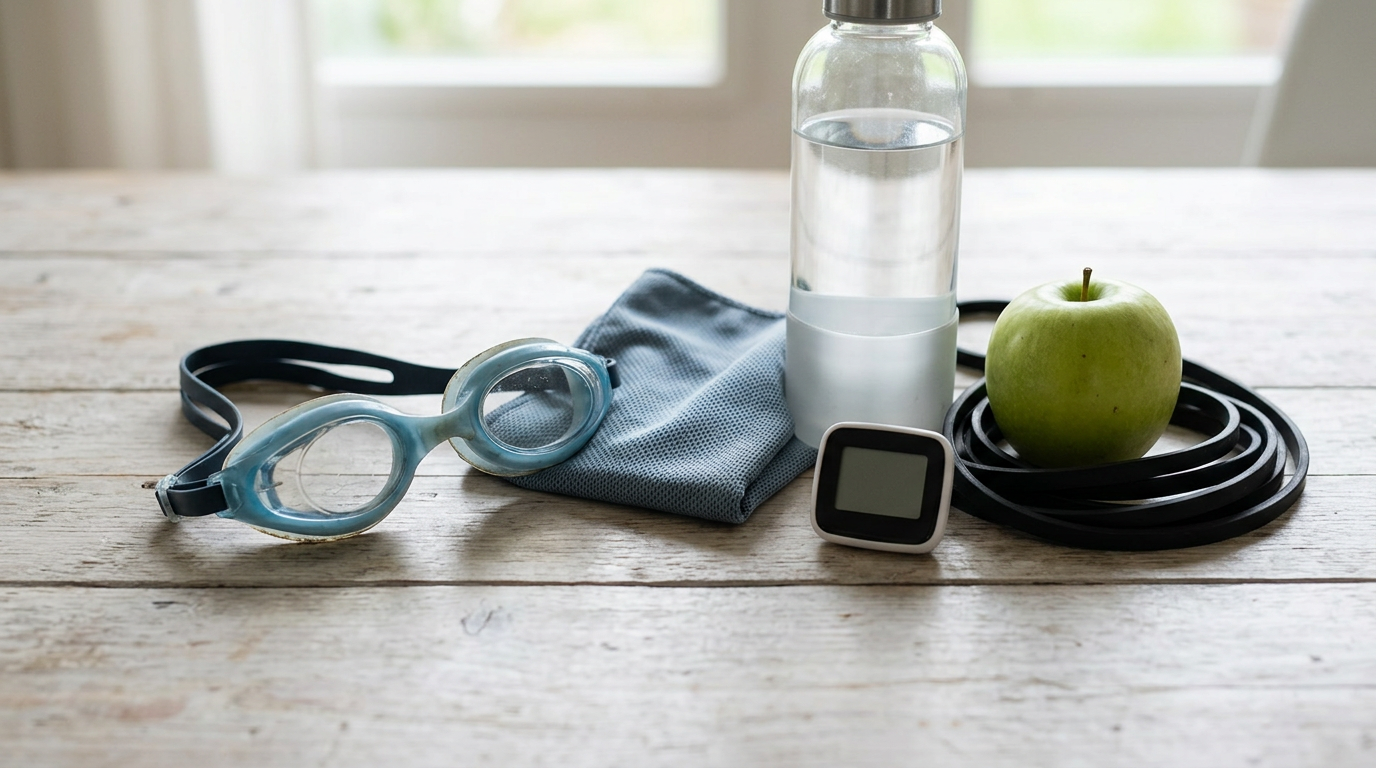
Gradual progression is essential for safely building your fitness.
How can you safely build your fitness at a gradual pace?
Safely building your fitness at a gradual pace is about making steady progress and listening carefully to your body. Start with activities that you enjoy and can easily fit into your daily routine, such as brisk walking, cycling or swimming. It is important to gradually increase the intensity and duration so that your muscles and cardiovascular system have time to adapt. Doing too much too quickly can lead to injuries or loss of motivation, slowing down the process of building your fitness. Focus on consistency rather than extreme performance, as regularity makes it easier to maintain your routine over the long term.
The benefits of a gradual approach
A gradual approach to building fitness offers several benefits, particularly for adults who want to proactively support their health. By starting slowly and increasing the workload step by step, you significantly reduce the risk of overloading yourself and developing injuries. This makes it easier to stay motivated and maintain the activity over the long term. It also gives your body an opportunity to adapt, resulting in a more stable improvement in your endurance.
This method helps you develop a sustainable routine that suits your energy levels and everyday life without making exercise feel like a demanding obligation. The Netherlands Nutrition Centre emphasizes the importance of a balanced lifestyle for your overall well-being.
What are the first signs of physical overload?
When you are working on building your fitness, it is very important to interpret your body's signals correctly. The first signs of physical overload are often subtle and easy to ignore, but paying attention to them is crucial for preventing injuries and setbacks. These signs may include persistent muscle soreness that lasts longer than usual, extreme fatigue that does not disappear after rest or a general lack of energy that undermines your motivation to exercise. Reduced performance during your workouts despite your efforts can also indicate overload. Take these early warning signs seriously so that you can adjust your training schedule in time and continue working effectively on your fitness.
Specific examples of physical overload
There are several specific ways in which physical overload can appear in your everyday life and during exercise. Joint pain that cannot be directly linked to an acute injury or a constant feeling of heaviness in your legs, even after a light workout, can also be clear warning signs. These examples show that overload is not only physical but can also affect your mental well-being and overall health, making it more difficult to build your fitness.
Why is a good warm-up crucial for adults?
A good warm-up is very important for adults who want to build their fitness. It helps prepare the body for physical activity and can help prevent injuries. As you get older, the elasticity of muscles and tendons decreases, making them more vulnerable to overload. Starting with light cardio and dynamic stretching exercises gradually increases your heart rate and circulation, helping your muscles become more flexible and your joints move more freely. This reduces the likelihood of strains, tears and other discomfort that could interrupt your exercise routine. It prepares your body effectively for training, which is important for sustainably building your fitness.
Simple warm-up exercises
You can begin with five to ten minutes of light activity, such as walking or cycling, to warm up your body. Follow this with dynamic stretching exercises such as arm circles, leg swings and torso rotations, which increase the range of motion of your joints. Avoid static stretching before your workout; it is generally better saved for after your session. This preparation not only helps you physically but also allows you to mentally focus on the exercise ahead, helping you get the most out of your workout and continue building your fitness effectively.
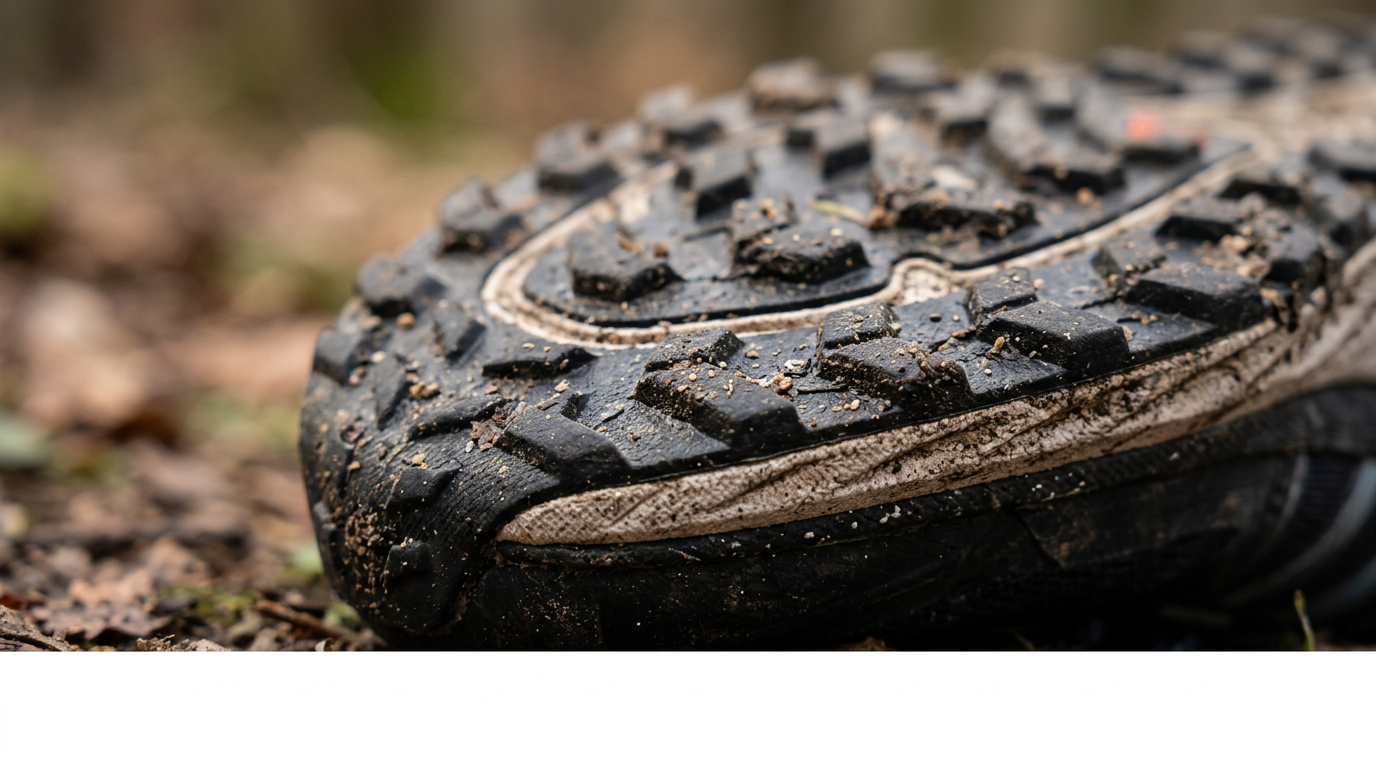
Good shoes can help you build your fitness comfortably and reduce the risk of injury.
Which shoes provide the best support while walking?
Good walking shoes are very important for comfortably building your fitness while reducing the risk of injury, particularly if you regularly walk longer distances. The best support comes from shoes that suit your foot type and walking style. This generally means they should provide sufficient cushioning to absorb impact, have a sturdy sole that provides stability and feature a breathable upper to prevent overheating. Make sure your feet do not slide around inside the shoes, as this can cause blisters and make walking less enjoyable. A fit that is both comfortable and supportive helps you maintain your training consistently, which is important when gradually building your fitness.
What to look for in walking shoes
When choosing walking shoes, there are several factors to consider to ensure optimal support. First, the sole is important: it should provide sufficient grip on different surfaces while remaining flexible enough to allow your foot to move naturally. The heel counter, the reinforced section around the heel, also plays a role; it should hold your heel securely in place without feeling restrictive.
The material of the shoe is also important, with breathable fabrics helping to keep your feet dry. MedlinePlus, a medical encyclopedia, provides articles and illustrations that may be useful for understanding conditions and examinations related to the feet and footwear. Choosing your shoes carefully contributes to an effective and comfortable way of building your fitness.
How do you combine short walks with a busy working day?
A busy working day can make it difficult to find time for physical activity. However, you can still effectively build your fitness by incorporating short walks into your schedule in a smart way. It can be useful to take advantage of moments that already exist in your day. Even a ten-minute walk can have a positive effect on your energy levels and help you focus better. If you consistently incorporate these small blocks of activity, they can become a regular part of your routine without requiring you to set aside a large amount of additional time.
Smart ways to incorporate movement
Incorporating movement intelligently requires a little planning. For example, you could walk part of your commute, take a short walk during a phone call or invite colleagues to have a walking meeting. Taking the stairs instead of the lift also contributes to your daily activity. It is helpful to remember that every step counts when building your fitness and that these small adjustments can have a significant impact on your health and well-being over the long term. Tracking your activities can also help you see your progress.
How do you keep your sportswear fresh and in good condition?
To keep your sportswear fresh and in good condition, take care of it promptly after exercising. Sweat and bacteria can quickly accumulate, which can not only cause unpleasant odours but also affect the fibres of the fabric. Wash your clothes as soon as possible or at least allow them to air out so that odours do not become trapped and the lifespan of your sportswear is extended. A pleasant and hygienic exercise experience can strengthen your motivation to remain active. Regular care also prevents you from having to frequently replace your clothing, which is both practical and sustainable for your routine.
Caring for sportswear
When caring for sportswear, carefully follow the washing instructions on the label. It is often recommended to wash at lower temperatures, such as 30 degrees Celsius, and to avoid using fabric softener. Fabric softener can affect the breathable and moisture-wicking properties of synthetic fabrics. Instead, consider using a detergent designed specifically for sportswear. Allow your sportswear to air dry and avoid the tumble dryer, as high temperatures can affect elasticity and fit. By following these simple steps, your sportswear will remain fresh, functional and comfortable for longer, which is useful for maintaining a consistent approach to building your fitness.
What role does rest play in effectively building fitness?
Rest is essential when you are working on your fitness and is just as important as the training itself. Your body needs recovery time to recover from physical activity and become stronger. Without sufficient rest, your body cannot properly process the training load, which can slow your progress or even lead to overload. Consider incorporating rest days, getting enough sleep and including light recovery activities such as walking. These moments give your muscles an opportunity to repair and grow so that you can begin your next training session with renewed energy. This cycle of activity and relaxation forms the foundation for lasting progress.
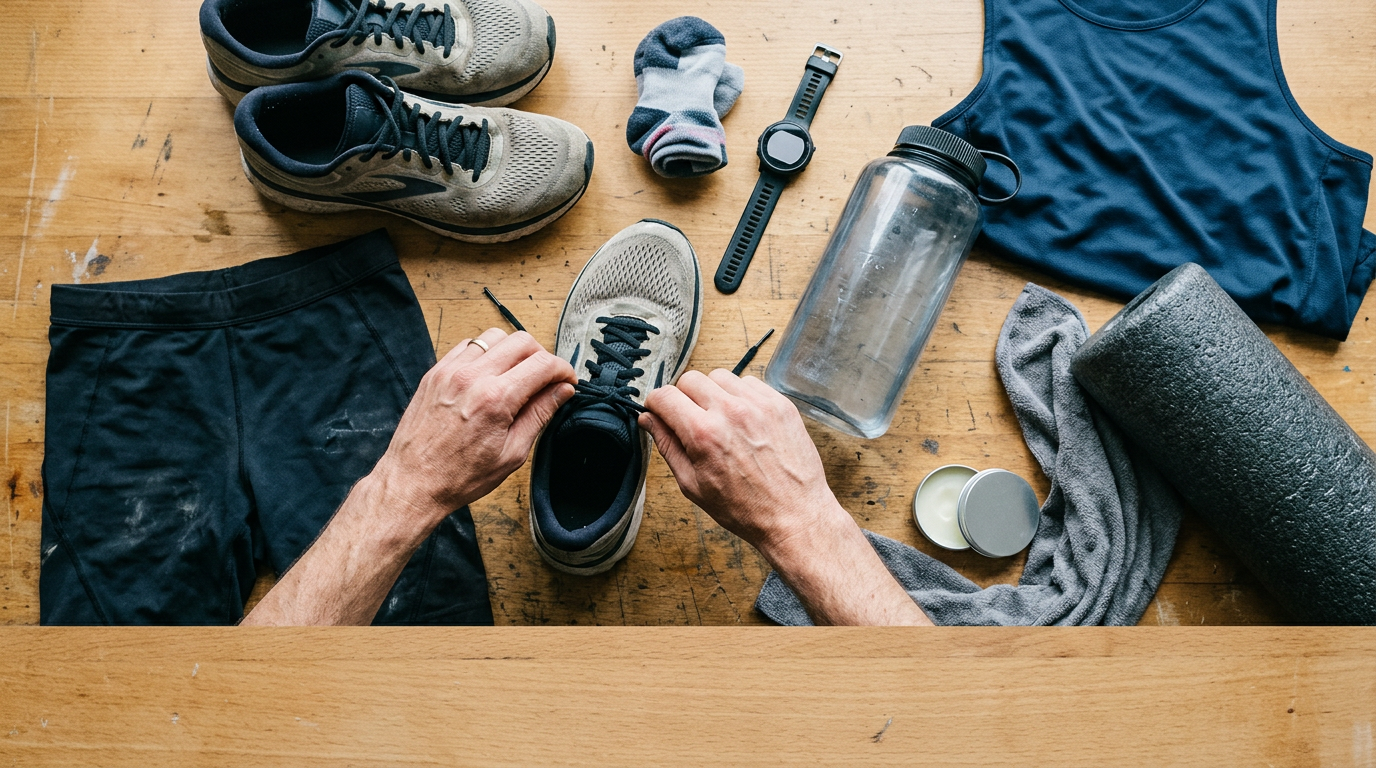
Sufficient rest is essential for effectively building your fitness.
Benefits of sufficient recovery
Sufficient recovery offers several benefits for your physical condition. First, it supports muscle growth and the repair of small amounts of damage that occur during exercise. This contributes to a stronger body and better long-term performance. A good night's sleep, for example, supports hormonal processes that are important for recovery and adaptation. By consciously scheduling rest, you protect your body from the negative effects of chronic stress and create a stable foundation for improving your fitness without exhausting yourself. This contributes to a balanced approach to your health.
How do you recognize quality materials in fitness equipment?
When choosing fitness equipment, recognizing quality materials is important for both the durability of the equipment and your safety while working on your physical fitness. Pay attention to the strength of the frame, which is often made from thick steel to provide stability and reduce movement during use. Check the finish: high-quality equipment generally has an even powder coating that is resistant to scratches and rust. Moving components such as pulleys and bearings are also crucial. They should move smoothly and quietly without sticking or producing excessive noise. This indicates precision components that are less likely to wear quickly and contribute to an effective workout without unnecessary distractions. In this way, you invest in a product that lasts and supports your routine.
Choosing fitness equipment
When creating your own fitness environment to help you consistently improve your physical condition, there are several practical factors to consider. Look for adjustable components that are easy to operate so that you can quickly switch between exercises or users. Seats and handles also deserve attention; they should be comfortable and ergonomic and made from dense foam or durable rubber that provides grip and can withstand intensive use. Another consideration is the maximum load the equipment can support. This figure often provides an indication of the equipment's robustness and the materials used. A higher weight capacity generally suggests a more solid construction. Choose equipment that matches your training goals and encourages you to exercise regularly.
What is the best way to keep your heart rate low?
A low resting heart rate means that your heart is working efficiently. It can be associated with good cardiovascular fitness. You can work towards this primarily by regularly and consistently including aerobic exercise in your routine. Examples include brisk walking, cycling, swimming or jogging. The idea is to exercise at an intensity that raises your heart rate while still allowing you to comfortably hold a conversation. This prolonged, moderate activity strengthens your heart muscle and makes it more efficient. As a result, your heart requires fewer beats to pump blood around your body. Consistency is more important than short periods of intense exercise, particularly if your goal is to build your fitness sustainably.
Practical heart rate monitoring
To monitor your heart rate and track your progress, it can be useful to measure it regularly. You can do this with a sports watch or chest strap during exercise, or by measuring your resting heart rate in the morning before getting out of bed. Keeping track of this information gives you insight into how your heart responds to training and recovery. A gradual decrease in your resting heart rate over a longer period may indicate changes in your cardiovascular fitness. It can also help you identify possible signs of overtraining if your heart rate remains unexpectedly elevated. This allows you to adjust your training programme and maintain a balanced approach.
How do you make exercise a regular daily habit?
To make exercise a regular habit, start with small, achievable steps that you can easily integrate into your routine. You do not need to immediately exercise for hours; consistency is more important than intensity when you want to become fitter. For example, consider taking a fifteen-minute walk during your lunch break or cycling when you need to run errands. Link exercise to activities you already do, such as brushing your teeth or making coffee, so that you create cues that make the habit easier to maintain. Find a rhythm that suits your life so that exercise does not become an additional burden.
Scheduling and automating exercise
An effective strategy for making exercise more automatic is to schedule fixed times and treat them as non-negotiable appointments. This could mean doing fifteen minutes of light exercise every morning before work or taking a short walk after dinner. Make use of apps and tools that can support your routine, such as the Netherlands Nutrition Centre's 'Mijn Eetmeter' app, which provides insight into your nutrient intake and may also help you structure your daily habits. Scheduling these moments reduces decision fatigue and increases the likelihood that you will actually take action. In this way, you gradually build a solid foundation for your physical fitness.
Conclusion: Building Fitness
Building fitness is a process that requires a thoughtful and gradual approach. You now know how important it is to listen to your body and recognize signs of physical overload. Choosing the right equipment, such as comfortable walking shoes, and understanding the importance of a warm-up—particularly if you are over 35—are also important. Small, consistent steps, such as taking regular short walks, can make a meaningful difference. Give exercise a regular place in your life in a way that suits you.
In this way, you can work sustainably on your vitality. For a stable foundation for your overall well-being, you can explore the supplement cards from VITBLISS. These cards are formulated by pharmacists, provide a clear daily dosage tailored to a specific health goal and can be easily incorporated into your daily life.
At VITBLISS.com, we do not provide (medical) advice. Always consult your doctor or pharmacist before using supplements.